As an Amazon Associate, I earn from qualifying purchases.
The Best Skillets
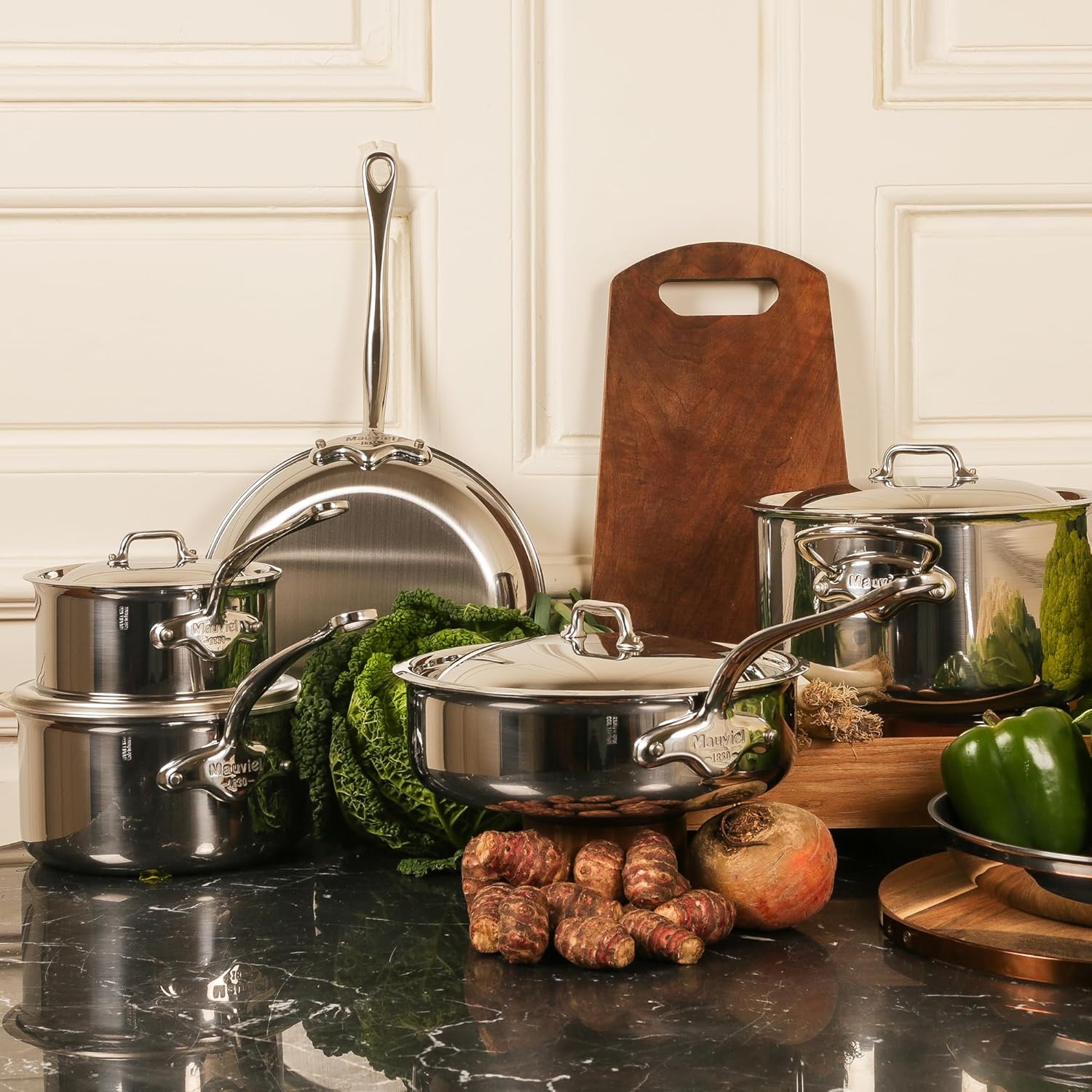
Let’s start with the kitchen MVP: the skillet. A 12-inch size is the sweet spot for most cooks, and it needs to be oven-safe (handle included) and comfortable to hold. Flared sides are a must for easy tossing and sliding. I’ll be honest—I’m not a fan of non-stick skillets. They’re either chemically treated or unreliable. Instead, I gravitate toward professional cookware like stainless steel, which is non-reactive, and carbon steel, which is durable but needs a bit of TLC.
For most tasks, though, you can’t beat a quality ply pan. Multi-ply pans, like my All-Clad Copper Core 12-Inch Skillet, deliver stellar heat retention thanks to their aluminum or copper core sandwiched between layers of stainless steel. This pan is an absolute dream (and yes, it was a gift). Not ready to splurge? My Tramontina 12-Inch Skillet is a daily workhorse—fantastic value. Its tri-ply design lacks copper, but for the price, I’m not complaining. I worked with Mauviel pan and they are also excellent, for me tho interestingly Tramontina has the most comfortable handle.
Cast Iron: Timeless Durability
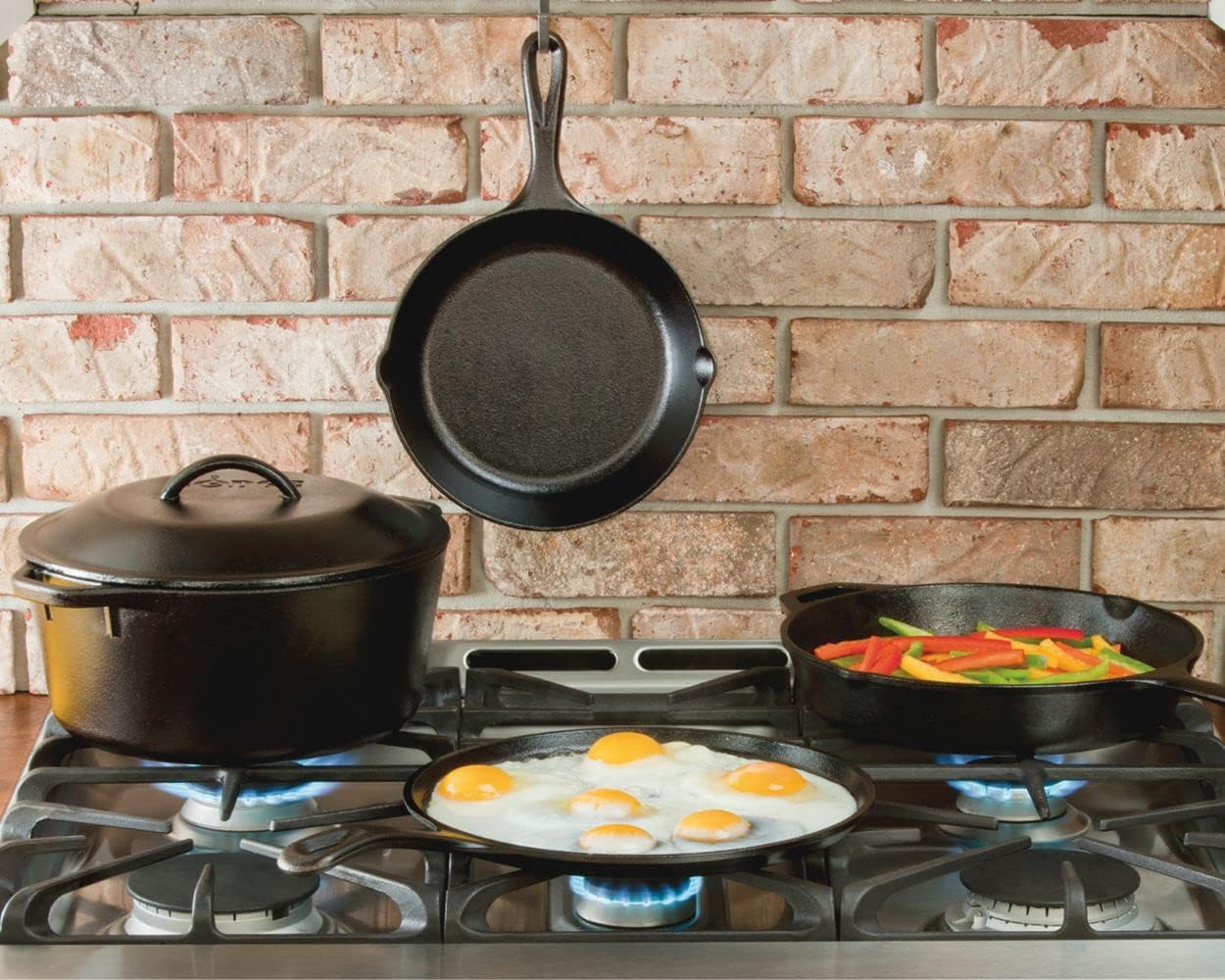
There’s something timeless about cast iron. If you’re lucky enough to have an heirloom skillet, treasure it. But if you’re starting your own legacy, Lodge Cast Iron Skillets are the gold standard. They’re affordable, durable, and perform beautifully from searing steaks to baking cornbread. I inherited an old Lodge skillet from a steakhouse, and let me tell you, it’s a beast—heavy, smooth, and utterly reliable. Fancy collector brands like Finex, Stargazer and Smithey have their fans, but Lodge delivers everything I need. Cast iron requires care: seasoning, cleaning, and some elbow grease to move around. But with no weak points, it’s as versatile as it gets. Pro tip: snag a secondhand skillet for a fraction of the cost.
Carbon Steel: Lightweight and Versatile
For the perfect balance of heat tolerance, durability, and a slick cooking surface, carbon steel pans are a great choice. They are known for their durability, heat tolerance, and slick cooking surface. They don’t retain heat as well as cast iron, can react to acidic food, need to be seasoned, and heat pretty unevenly. They are great for daily cooking, but they may not be ideal for every cooking situation. They are perfect for searing, frying, and stir-frying, but not recommended for cooking acidic foods. The Matfer Bourgeat Black Steel Frying Pan is an excellent option, but keep in mind that carbon steel pans need seasoning and don’t love acidic foods. Still, for searing, frying, or stir-frying, they’re kitchen superheroes.
Enameled Cast Iron: Colorful and Low-Maintenance
Growing up, we had a kitchen full of enameled pots, and they still have a soft spot in my heart. Enameled cast iron, like the Le Creuset Signature Skillet, eliminates the need for seasoning while offering the same heat retention and durability as traditional cast iron. They’re also easier to clean (no debates about using soap, thank you!). For a more affordable option, the Lodge Enameled Cast Iron Skillet is a fantastic alternative. Just remember, if the enamel chips, it can be tricky to deal with.
Skillet vs. Sauté Pan: Key Differences to Choose the Right Cookware
Before we move on to other types of pans we have to discuss the difference between a skillet/fry pan and saute pan.
A skillet and a fry pan are virtually identical, both featuring flared sides that make tossing and flipping ingredients easy while allowing moisture to evaporate efficiently. They’re versatile tools, ideal for tasks like searing, sautéing, and browning. Whether labeled as a skillet or fry pan, they perform the same functions and are largely interchangeable.
A sauté pan, on the other hand, stands out with its straight sides, offering more surface area and volume. This design is perfect for recipes requiring liquids, such as simmering or poaching, as it minimizes splatter and retains ingredients more effectively. While a skillet may excel in agility and versatility, the sauté pan provides structure and control for dishes that demand it. Selecting the right pan ultimately depends on your cooking needs and preferences.
When it comes to sauté pans, my top picks are the All-Clad 3-Ply Stainless Steel pan for its premium quality and performance, or the budget-friendly yet reliable Tramontina Tri-Ply Clad Stainless Steel Sauté Pan. Both options deliver great results—one just happens to be kinder to the wallet!
Dutch Ovens: A Kitchen Essential
Every kitchen needs a Dutch oven—no exceptions. With a 6-quart capacity, you can do it all: bake bread, simmer stews, or braise meats. They can get pretty heavy, (close to 25 lbs plus the stuff that’s in it) so if weight is an issue you might have to look at something lighter. I love my All-Clad stainless steel stockpot for its lightweight versatility (it’s only 5 pounds!). If you don’t mind the weight, the Le Creuset French Oven is iconic, while the Lodge Enamel Dutch Oven is a budget-friendly powerhouse that performs beautifully.
Mastering Saucepans
Saucepans are the unsung heroes of the kitchen—deep, round, and equipped with a trusty long handle and lid. They’re perfect for everything from simmering soups to crafting silky sauces. Personally, I’m all about having a variety: 2, 3, and 4-quart saucepans make for a versatile setup.The All-Clad 4-Quart Saucepan is perfect for larger recipes, while Tramontina offers budget-friendly options without sacrificing quality. For heartier tasks, pair them with a 5-6 quart Dutch oven or an 8-10 quart stockpot (more on those gems later). Pro tip: sticking to one brand ensures they nest together neatly and keep your cabinets organized.
An old saying in my family is that you should never switch pans mid cooking.It’s a superstition i have yet not dared to test. I’m pretty sure it won’t actually ruin your dish. So when it comes to cookware, having a bit of extra room is never a bad thing. Choose wisely, and let your saucepans shine!
Stockpots: The Big Pot for Big Jobs
Stockpots are what I like to call “the big guns” in the kitchen. If you’re making broth, boiling pasta, or preparing soups for a crowd, you’ll need one. My first stockpot memory was being told to grab the “big-ass pot” during my early days in the kitchen since nobody taught me what a stockpot is. Now, my go-to was the All-Clad 12-Quart Stockpot—durable and well-designed. For a more affordable choice, the Cuisinart Chef’s Classic Stockpot is a great alternative. Just make sure it’s big enough (9+ quarts) and has sturdy, well-placed handles, and they are at least 1¾ inches away from the pot itself so you won’t burn yourself. If you have a large family you can opt for a 15 quart one but it is on the heavier side.
Perfect Pasta Pots
If pasta night is a big deal in your household (as it should be), a reliable pasta pot is essential. The All-Clad Stainless Steel Stockpot and Multipot is an absolute game-changer for its durability, exceptional heat distribution, and bonus pasta insert—it’s like having your own sous-chef for perfectly cooked pasta every time. For a more budget-friendly option, the 12 quarts Cuisinart Pasta/Steamer offers excellent capacity and sturdy construction, holding its own for boiling pasta or making big batches of sauce. Both are solid picks to help you channel your inner chef and keep your pasta game strong.
The Best Cookware Sets Whether you’re buying your first cookware set or upgrading your collection, it’s important to start with the basics. I personally use a mix of Tramontina and All-Clad cookware, and I can’t recommend them enough. The Tramontina Cookware Set is a budget-friendly favorite, while the All-Clad Set is an investment that will last a lifetime. If you prefer to build your own set, focus on your specific needs—a family of six will require different pots and pans than someone living in a small apartment. Start small and expand as you go.